Give Your Restaurant a Tech-Driven Edge Without the Headache.
From Reputation Management to Customer Retention, Every Step is Backed by Strategic Marketing Systems—So You Can Focus on the Flavor and What You Do Best.
Discover the ABCs of Restaurant Marketing Success.
Unlock the secrets to acquiring social trust, building brand identity, conquering customer acquisition and retention, and filling those empty seats—all in one simple framework!
Discover BusHub.io: Your All-in-One Marketing Solution
Tailored digital marketing tools to elevate your restaurant's presence.
Reputation Management
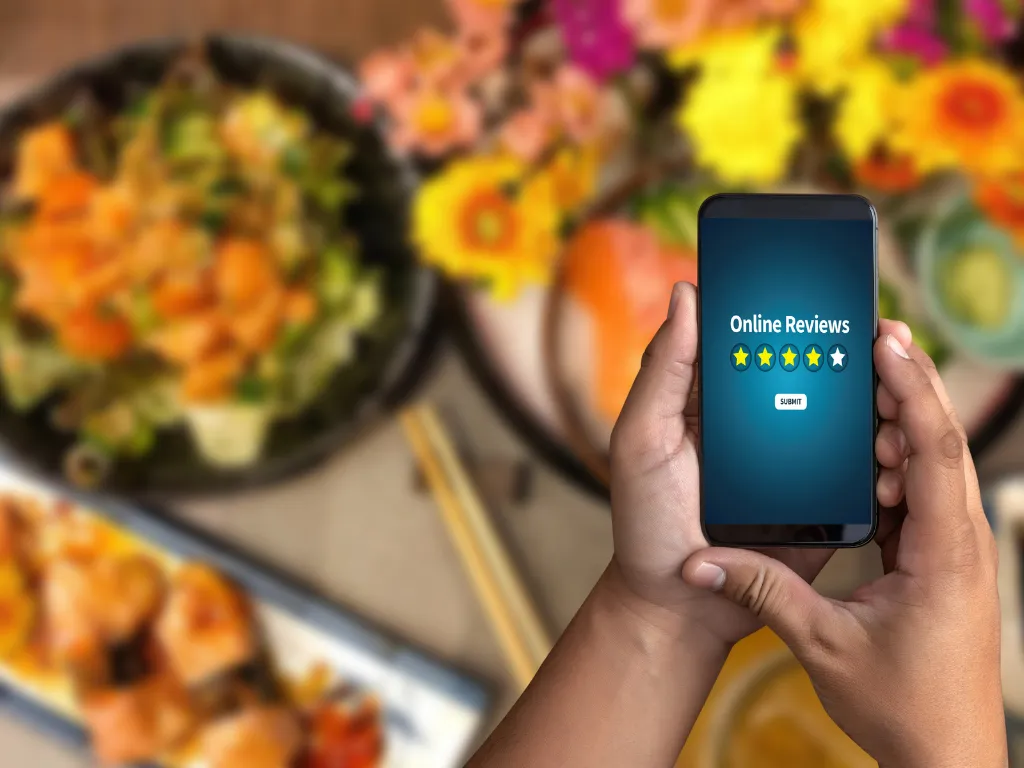
Automate your restaurant's reputation with seamless review requests and AI-driven responses, ensuring consistent positive feedback and customer trust.

Strategic Social Media Planning
Streamline your social presence with your own smart social planner, crafting and scheduling content in seconds to boost brand identity and save time.

Customer Acquisition and Retention
Drive growth on autopilot with strategic funnels and automated email and SMS campaigns, freeing up your time while maximizing customer loyalty.
BUSHUB.IO
Your All-in-One Restaurant Marketing Platform
All your marketing systems in one easy place.
30 Day FREE Trial!
Request, monitor, and respond to reviews automatically
Schedule and auto-post content across all major platforms
Drag-and-drop builder for full websites, landing pages, promo funnels & more
Pre-built email & SMS campaigns
Manage DMs, texts, web chats, and emails all in one place
Create offers that turn first-time visitors into raving regulars
Automatically build & segment your customer list for personalized marketing

No contracts - cancel anytime
Feast on the FAQs
Serving up answers to the most common questions restaurant owners want to know.
Hot, fresh, and straight from the kitchen.
Can a small independent restaurant really benefit from a CRM system?
Absolutely. A customer relationship management (CRM) system isn’t just for big chains – it can help even a small restaurant deliver personal touches that foster a loyal local following. A good CRM automatically collects guest data (visits, birthdays, preferences, etc.) and automates marketing tasks, freeing up your time to focus on food and service quality. By capturing your customers’ info and dining habits, you can tailor offers (like a special on their favorite dish or a birthday coupon) that make guests feel valued, which in turn boosts repeat business. In fact, repeat guests are vital – roughly 60% of a restaurant’s revenue comes from repeat customers on average – so using a CRM to personalize outreach can significantly improve loyalty and sales.
What is SMS marketing and how can it help my restaurant?
SMS marketing means sending promotions or updates to customers via text messages. It’s one of the most immediate and effective channels available – text messages boast open rates as high as 98%, far higher than email. This means if you have an offer for a slow night or a last-minute event, a text is very likely to be seen right away. Restaurants use SMS to send personalized deals, event invitations, surveys, and loyalty program updates straight to guests’ phones. Done right (with customers’ permission), SMS marketing can drive real revenue by bringing back lapsed customers, engaging loyal regulars, and boosting sales during slow periods. It’s immediate, personal, and convenient – making it a powerful tool to fill tables on demand.
How can I generate more positive online reviews and manage my restaurant’s reputation?
Managing your online reputation is critical today. Start by monitoring all the major review platforms like Google, Yelp, Facebook, and TripAdvisor, so you know what customers are saying. It’s usually a smart strategy to ask happy customers to leave a review, perhaps after their meal or via a follow-up message – many new diners base their decision on positive reviews they read online. By actively encouraging satisfied guests to post feedback, you’ll steadily build up your positive ratings. Respond to reviews as well – thank people for good reviews to show appreciation, and respond professionally to negative feedback to address issues. Turning a bad experience into a positive outcome (by showing you care and will fix problems) can impress both the unhappy customer and anyone else reading your reviews. In short, consistent engagement with online reviews – encouraging the good and constructively addressing the bad – will improve your restaurant’s reputation over time.
Is a customer loyalty program worth it for my restaurant, and how does it work?
Yes, a well-designed loyalty program can be extremely worthwhile for an independent restaurant. The goal of a loyalty program is to reward repeat customers – which is important because a large portion of your revenue comes from returning guests (around 60% on average in the industry). By offering perks to frequent diners (e.g. points for each purchase that lead to a free item, or exclusive discounts for members), you encourage customers to visit more often and build an emotional connection with your brand. These programs directly boost retention and sales: for example, after implementing a CRM-linked loyalty program, one restaurant found that 24% of its total sales came from loyalty members. Loyalty members also tend to spend more per visit. In practice, a loyalty program can be as simple as a digital punch card or as sophisticated as a points-based app – but in all cases, it’s about making your regulars feel appreciated so they keep coming back (and bring their friends!).
How should I approach social media marketing for my restaurant?
Many restaurant owners wonder which social media platforms to use, how often to post, and what to post. The key is to be strategic and consistent. Here are some tips for an effective social media strategy:
-Choose the right platforms: Focus on the social networks your target customers use most. For example, Instagram is great for showcasing drool-worthy food photos and short videos, while Facebook might help promote events and engage with the local community. It’s better to actively maintain a couple of platforms where your audience hangs out than to stretch yourself thin on every network.
-Post consistently and engage promptly: Aim to update your social pages regularly (at least a few times per week) and respond to comments or inquiries quickly. Customers expect you to engage with them on social media and respond to questions promptly – an active, responsive presence shows you care and keeps your restaurant on people’s minds. Consider using a content calendar or scheduling tool so you don’t miss posting during busy weeks.
-Mix up your content to humanize your brand: Don’t just post daily specials or promotions. People will tune out if every post is a sales pitch. Instead, mix in fun, behind-the-scenes, or personal content alongside your promos. For example, share a short video of the kitchen prepping a new dish, introduce one of your chefs or servers, celebrate a staff birthday, or post a food trivia question. By balancing promotional posts with entertaining or heartfelt ones, you “humanize” your brand and help customers feel more connected to your restaurant. Remember, the goal of social media is to build a community and personality around your restaurant, not just to advertise.
By focusing on the platforms that make sense for you and engaging your followers with consistent, quality content, you’ll build an online presence that draws in new customers and keeps regulars loyal.
How can marketing automation save me time and improve my restaurant’s marketing?
Marketing automation means using software and technology to streamline your marketing tasks so they run with minimal manual effort. You can automate a lot of repetitive tasks, such as sending reservation reminders, scheduling social media posts, emailing birthday coupons or newsletters, texting out promotions, and even requesting feedback or reviews after a visit. Automating tasks like managing reservations, posting on social media, and sending out email/SMS campaigns ensures consistent communication while saving valuable time – this allows you and your staff to focus on providing great food and service instead of constantly doing marketing chores. In other words, your outreach keeps happening in the background (on schedule and to the right customers) without you having to push every button.
Importantly, marketing automation isn’t just a time-saver – it can also improve your results. Restaurants that adopt automated marketing systems often see higher customer engagement and even an increase in sales (some report up to a 20% boost) after streamlining their marketing this way. For example, automated email or text campaigns can re-engage customers who haven’t visited in a while, and loyalty programs can automatically reward customers to encourage repeat visits. By using a smart marketing platform or a combination of tools (CRM, email/SMS automation, social schedulers, etc.), even a small restaurant can execute consistent, data-driven marketing campaigns that would be hard to manage all by yourself. In summary, automation helps you do more with less effort – you maintain a strong presence with your customers and drive revenue, all while freeing up time to focus on the in-person dining experience.